When a Quick Jollibee Run Turns Into a Viral Environmental Issue
I think we can all agree that seeing a Jollibee sign is usually the best part of any long drive or a tiring workday. Whether it’s the Chickenjoy or the Jolly Spaghetti, it’s the ultimate comfort food for every Filipino. But last week, my usual visit to the Jollibee Bulacao branch in Cebu City turned into something I never expected. I wasn’t there to eat. I was just passing by the outdoor parking lot when I noticed something that honestly made my stomach turn. It wasn’t the smell of fried chicken in the air. Instead, there was this thick, greasy wastewater overflowing from their grease trap right into the parking area.
It wasn’t just a small puddle. This nasty, oily waste was flowing straight out of their property, onto the public sidewalk, and even reaching the main highway. If you’ve ever smelled a clogged kitchen sink that hasn’t been cleaned in months, multiply the smell by ten. That is what the people walking by and the commuters had to endure. I felt so frustrated seeing such a big, beloved corporation being so careless with their waste management that I took out my phone, recorded a quick video, and posted it on TikTok. I didn’t think much of it at first. I just wanted to show people what was happening in our neighborhood.
Living in Cebu City, we often complain about the flooding and the smell of our drainage systems, but we rarely see the actual source of the problem. When I saw that grease trap overflowing, I realized that this is exactly why our city’s infrastructure struggles. It’s not just about the rain; it’s about how big establishments handle their “dirty water.” Dumping wastewater like that isn’t just gross or an eyesore. It is actually a serious violation of our local laws. In Cebu City, I think we have ordinances regarding this matter but apologies if I’m not an expert at it.
You see, grease is the “number one enemy” of our sewer lines. When a business like a fast-food giant fails to maintain its grease traps, that oil and fat go straight into the public drains. Once it cools down, it hardens into thick “grease balls” that block the pipes completely. This is why our streets flood even with just a little bit of rain. I’ve skimmed some local laws, establishments are required to have functional grease traps and ensure that no waste leaks into public spaces. As a citizen, seeing this happen in broad daylight felt like a slap in the face to every Cebuano who tries to keep our city clean.
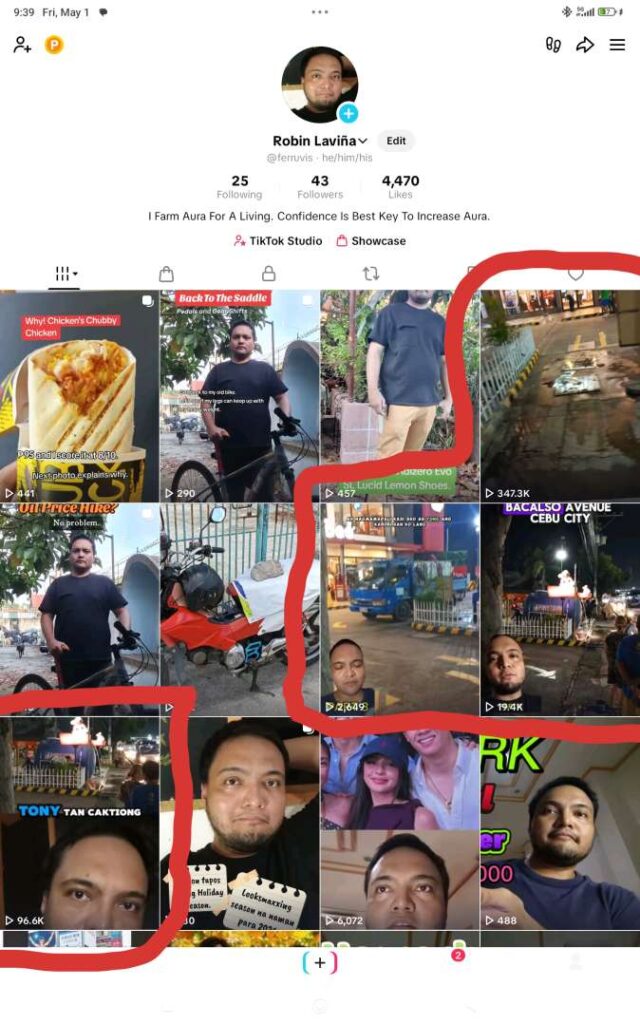
I honestly thought my TikTok would just get a few likes from my friends and maybe a couple of “yuck” comments. But I was wrong. Within just a few days, the video exploded. It hit more than 300,000 views. While the support from the community was great, I also started getting some unwanted attention from Jollibee Bulacao Branch itself. Specifically, the management at the Bulacao branch seemed to be in full panic mode because of the digital footprint I had created.
The Power of the EMB7 and Why Big Brands Fear Them
I just learned what EMB7 was! I got it from the comments and when the manager made some excuses. It stands for the Environmental Management Bureau Region 7. They are the primary line bureau under the Department of Environment and Natural Resources (DENR) here in Central Visayas. Think of them as the “environmental police.” Their whole job is to make sure that air quality, water quality, and solid waste management are handled according to the law. They don’t just write reports; they have the power to investigate, inspect, and shut down facilities that are polluting our environment.
The EMB7 is responsible for implementing the Philippine Clean Water Act of 2004 (Republic Act No. 9275). This law is very clear: you cannot discharge any untreated wastewater into water bodies or land where it can seep into the water table or drainage systems. When my video went viral, it became a “prima facie” evidence of a violation. This means that just by looking at the footage, there was enough proof for the EMB7 to conduct a surprise inspection. For a big branch like Jollibee Bulacao, an EMB7 visit is a nightmare because it doesn’t just mean a small fine; it could lead to a “Cease and Desist Order,” which would force them to close their doors until the problem is fixed.
The role of EMB7 in this situation was basically to act as the hammer. Because the video was everywhere, the public pressure was mounting for the bureau to take action. This put the branch management in a very tight spot. They knew that if the EMB7 showed up and saw the grease trap in that condition, the paper trail of violations would be long and expensive. It’s one thing to have a local city inspector visit, but it’s a whole different level when the regional environmental bureau gets involved.
A Strange Late-Night Visit and the Price of Silence
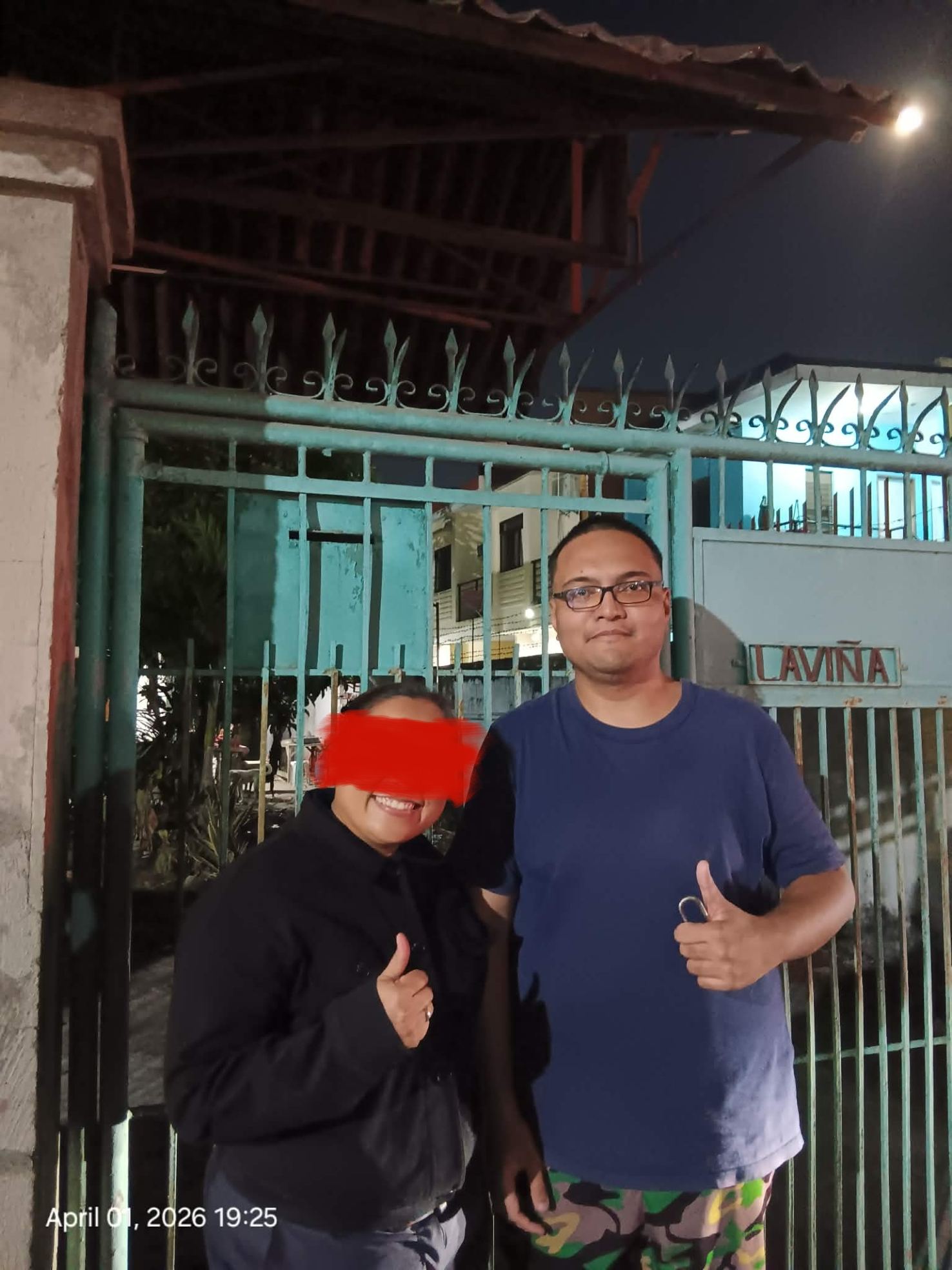
This is where the story gets really weird. It was a weekend, late at night, and I was just chilling at home when there was a knock at my door. To my absolute surprise, a person claiming to be the branch manager of Jollibee Bulacao was standing there. I have no idea how they found my residence, which was already quite unsettling. It was an awkward encounter, to say the least. They were very polite, almost overly so, and they started explaining the technical reasons why the grease trap overflowed. To be honest, I forgot the specific details because I was so caught up in the “craziness” of the situation.
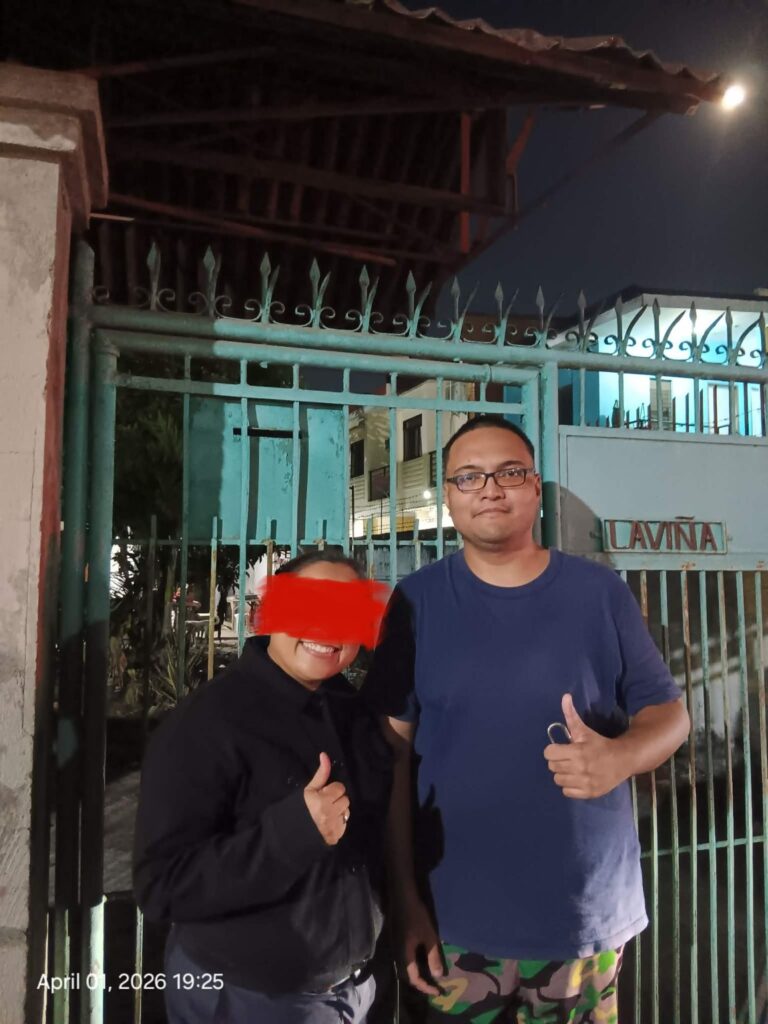
During our conversation, it became very clear that they were terrified of the EMB7. They kept mentioning how they didn’t want the bureau to visit the branch. Then, they handed me some “gifts”—bags of food and freebies from Jollibee but I knew later that it was just a “bribe”. It wasn’t just a friendly gesture. These gifts came with a very specific condition: they wanted me to delete all my TikTok videos. They wanted to “silence” the exposure and make the whole issue go away before it reached the higher-ups or the government regulators.
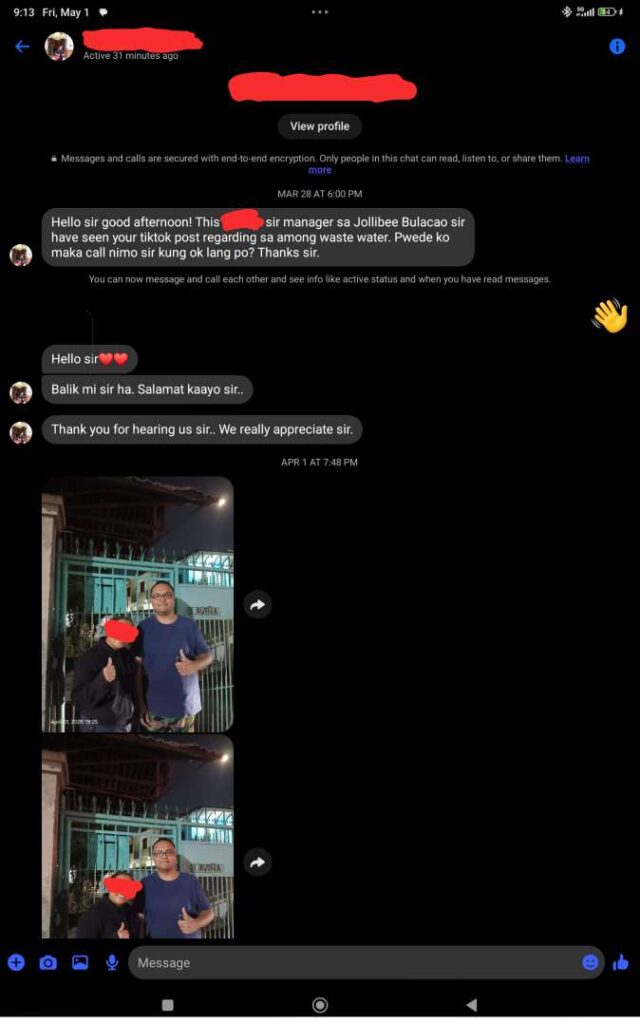
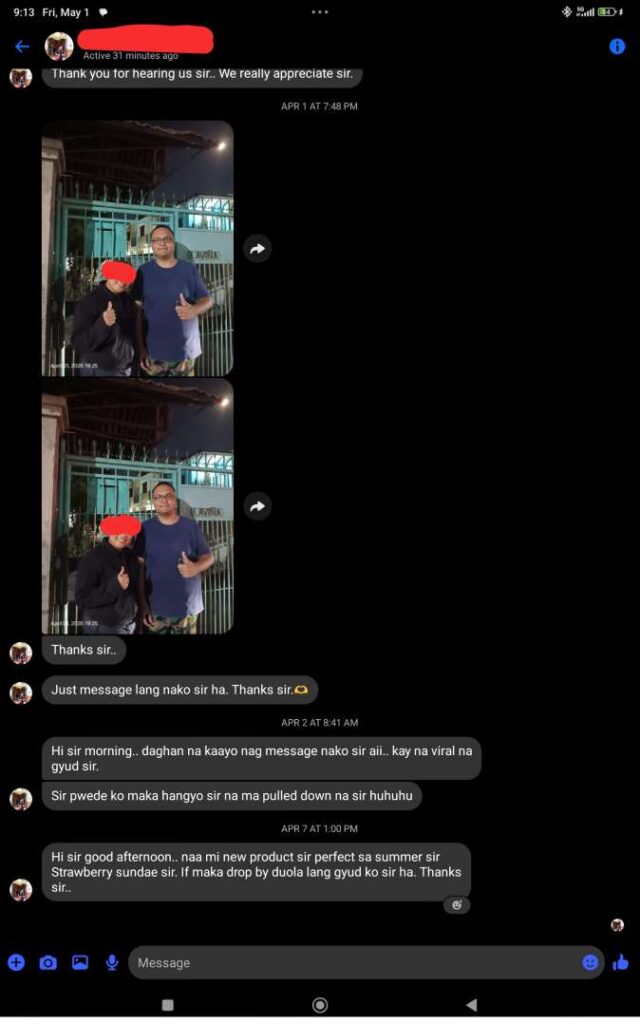
But here’s the thing: I didn’t pay any mind to their request. I took the situation as a lesson in how big corporations try to manage their public image. I didn’t delete the videos because I believe that what I posted is my property and falls under my freedom of speech. I think we have the right to express our opinions and, more importantly, to expose illegal activities that affect the public interest. For me as long as it serves the public good, they can’t force you to take it down.
Actually, the Philippine Constitution and various laws like the “Cybercrime Prevention Act” (despite its controversies) still protect “privileged communication.” When a citizen acts as a whistleblower to expose a company dumping waste into public roads, they are acting for the welfare of the community. Exposing a “shitty practice”—literally and figuratively—is not just a right; it’s a responsibility. If we allow ourselves to be silenced by bribery, then these big companies will never learn to respect our environment and our local laws.
Standing Your Ground Against the Giants
In the end, this experience taught me a lot about the power of social media and the importance of standing your ground. When you go up against a giant corporation, it can feel intimidating. They have the money, the lawyers, and the “freebies” to try and make problems disappear. But they don’t have the power of the truth. Posting content that exposes the wrongdoings of big brands isn’t about being a “clout chaser”; it’s about holding them accountable to the same standards that every small business owner has to follow.
If you ever find yourself in a situation where you see something wrong, don’t be afraid to record it and share it. Our phones are the most powerful tools we have for social justice today. Just make sure you are sticking to the facts. As long as you are telling the truth and looking out for your community, no amount of late-night visits or “gifts” should make you back down. We deserve a clean Cebu, and we deserve corporations that actually care about the cities where they make their millions. Let’s keep using our voices—and our TikToks—to make sure they do.
Leave a Reply